
The Power of Sun Salutation A: Embracing the Dawn with Yoga

As the first rays of the sun pierce the horizon, there's a practice in yoga that captures the essence of a new beginning: Sun Salutation A (Surya Namaskar A). This sequence is a foundational element in many yoga traditions, embodying gratitude for the life giving energy of the sun.
Meditation Through Movement
Sun Salutation A is a dynamic flow of foundational postures performed in a single, graceful sequence. Each movement is synchronized with the breath, creating a dance between the body and the breath that builds heat, energises the spirit, and sets a meditative rhythm for the practice.
The cyclical nature reflects the cycles of the sun and the universe. Once learned, this sequence can be performed continuously for as many repetitions as you like. It facilitates a state of meditation through movement as your body memorises the sequence, this takes the thinking or stress away from the practice.
Sun A is great for beginners who would like to cultivate a personal practice as many of the poses will form part of most classes. This means that you can focus more on learning the other poses.
The Sequence: A Step-by-Step Guide
1. Mountain Pose (Tadasana):
Stand tall, feet hips distance apart or bog toes touching. Grounding down through all four corners of the feet and reaching the crown of the head to the sky.

2. Upward Salute (Urdhva Hastasana):
Inhale and sweep the arms up overhead, gazing towards the thumbs, fingers pointed and energised.

3. Standing Forward Fold (Uttanasana):
Exhale, forward fold, hinging at the hips, navel to spine, bringing the hands towards the earth.

4. Halfway Lift (Ardha Uttanasana):
Inhale lift and lengthen the spine in line with your glutes (preparing for the transition)

5. Transition to Chaturanga via plank pose
Long slow exhale, place the hands at the top mat and step the feet to the back of the mat, briefly passing through plank pose.

6. Four-Limbed Staff Pose (Chaturanga Dandasana):
With the same exhale, push yourself slightly forward from the toes, bend at the elbows, and lower through a push-up position with control.

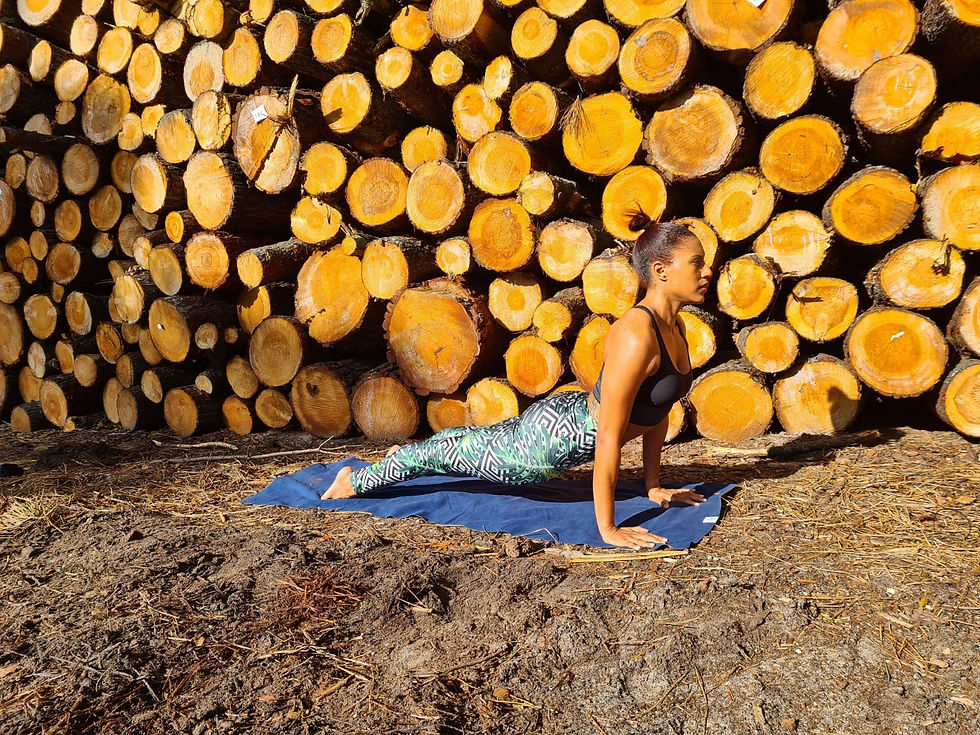
7. Upward-Facing Dog (Urdhva Mukha Svanasana):
Inhale and sweep the chest forward and up through the arms, opening the heart, pressing the tops of your feet into the mat and extend your arms.
8. Downward-Facing Dog (Adho Mukha Svanasana):
Exhale and lift the hips up and back, creating an inverted 'V' shape with the body. Lower the heels towards the mat. Press into the hands and relax the head and neck looking towards the toes. Take 3-5 breaths here.

9. Halfway Lift (Ardha Uttanasana):
Inhale step the feet towards the top of the mat, lift and lengthen the spine in line with your glutes
10. Standing Forward Fold (Uttanasana):
Exhale, forward fold, hinging at the hips, navel to spine, bringing the hands to the ankles or calves. You can also place your palms on the ground. If difficult to keep legs straight bend the knees and place the chest on the thighs.
11. Upward Salute (Urdhva Hastasana):
Inhale and rise to standing, sweep the arms up, gazing towards the thumbs.
12. Mountain Pose (Tadasana):
Exhale, hands lower to the sides. Stand tall, grounding through the feet, reaching the crown of the head to the sky.

The Benefits: Beyond the Physical
Practicing Sun Salutation A regularly can offer numerous benefits:
· Strengthens and tones the body: The sequence engages the core, arms, and legs.
· Enhances flexibility: The flow stretches and opens the body.
· Boosts energy: The dynamic movements increase blood flow and awaken the senses.
· Cultivates focus: The synchronization of breath and movement enhances concentration.
· Promotes relaxation: The rhythmic nature calms the mind and reduces stress.
Integrating Sun Salutation A into Your Practice
Sun Salutation A can be practiced on its own as a complete exercise or as a warm-up for a longer yoga session. It's suitable for all levels, with modifications available to accommodate different abilities and body types.
Conclusion
Sun Salutation A is more than just a series of movements; it's a moving meditation and a way to honour the energy within and around us. As you flow through each pose, you are saluting the dawn of your own potential.
May your practice of Sun Salutation A bring you closer to the light and warmth of your inner sun!


Comments